
A used fishing boat can be an excellent choice for anglers who want to spend more time on the water without paying the full price of a new vessel. Whether you prefer freshwater fishing, coastal trips, or exploring new fishing locations, the right boat should provide dependable performance, practical storage, and suitable safety equipment.
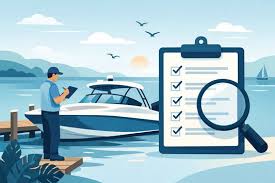
However, fishing boats often include additional equipment and accessories that require careful inspection. Before buying, review the hull, engine, electronics, fishing equipment, and overall maintenance history. A Used Boat Buyer’s Inspection Checklist can help you organize the inspection and evaluate the boat systematically.
Choose a Fishing Boat That Fits Your Needs
Begin by identifying where you intend to fish and how many people will normally join you.
A small aluminum boat may suit sheltered freshwater locations, while a larger fiberglass vessel may be more appropriate for other operating conditions. Offshore use requires careful consideration of vessel design, capacity, equipment, weather limitations, and operator experience.
Consider passenger capacity, storage space, casting areas, seating, engine power, and transportation requirements. Make sure the boat is suitable for your intended waters rather than selecting one based solely on its appearance or price.
Inspect the Hull and Deck
Fishing boats can experience frequent contact with docks, rocks, shallow water, and submerged obstacles.
Examine the hull for cracks, dents, corrosion, blistering, and signs of impact damage. Pay particular attention to the keel, transom, and areas around mounting points.
Inspect the deck for soft spots, loose fittings, damaged flooring, and water intrusion. Look carefully at areas where fishing equipment has been installed because poorly executed modifications may weaken surrounding materials or allow water to enter.
For aluminum boats, inspect welds and corrosion. For fiberglass boats, investigate stress cracks and questionable repairs.
A qualified marine surveyor should assess significant structural concerns.
Evaluate the Engine and Fuel System
Fishing often involves traveling to a location, running at different speeds, and operating for extended periods. Engine reliability is therefore an important consideration.
Ask for service records and information about previous repairs. Inspect accessible components for leaks, corrosion, damaged hoses, and neglected maintenance.
Request a cold start and a suitable sea trial. Observe engine temperature, vibration, steering response, and unusual noises.
Check accessible fuel-system components for deterioration or leakage. Never operate a boat if you suspect a fuel leak.
A marine mechanic can perform a more detailed evaluation and identify issues that might not be apparent during a brief demonstration.
Test Fishing Electronics
Many fishing boats have fish finders, chartplotters, depth sounders, radios, trolling motors, and related electronics.
Turn on each included device and check its basic functions. Ask about the age of the equipment, installation history, and whether any components are known to malfunction.
Inspect visible wiring and mounting points for corrosion, loose connections, and water damage.
Do not assume that expensive electronics work merely because they are installed. Replacement costs can add up, particularly when several devices require attention.
Inspect Livewells, Rod Storage, and Accessories
Depending on the boat, fishing-specific features may include livewells, bait tanks, rod holders, tackle storage, aeration pumps, washdown systems, and specialized seating.
Test pumps and switches where safe and practical. Look for cracked containers, damaged hoses, clogged fittings, and evidence of water leakage.
Check rod storage and compartments for broken hinges, damaged latches, and moisture. Verify which accessories are included in the sale.
Make a list of missing items that you would need to purchase before using the boat for your preferred fishing activities.
Review Safety Equipment and Passenger Capacity
Fishing trips can take you away from convenient access to shore, making appropriate safety preparation essential.
Inspect life jackets, fire extinguishers, navigation lights, communication equipment, sound-signaling devices, and other equipment required for your vessel and operating area.
Check that the boat’s capacity information is available and that your planned passenger load is appropriate. Additional fishing equipment and supplies also affect how much weight the boat carries.
Consider whether the vessel offers suitable storage, stable working space, and protection for the conditions in which you intend to operate.
Evaluate the Trailer and Transportation Requirements
If the fishing boat includes a trailer, inspect tires, brakes, bearings, lights, frame condition, and hitch components.
Confirm that your towing vehicle is suitable for the combined load. Account for the boat, engine, trailer, fuel, batteries, and equipment rather than relying on the boat’s advertised weight alone.
Ask about launching and retrieval requirements at your preferred fishing locations.
Calculate the Real Cost of Ownership
Budget for fuel, engine servicing, insurance, registration, storage, trailer maintenance, and repairs. Fishing-specific electronics, batteries, and accessories may also require replacement.
Compare the total cost of preparing the boat for use with the seller’s asking price.
Complete Your Inspection Before Buying
A fishing boat should match your intended activities, not simply look attractive in a listing.
Use the Used Boat Buyer’s Inspection Checklist to document the hull, engine, electronics, safety equipment, and accessories.
Take your time, request a professional inspection when necessary, and consider the full ownership cost before making an offer. A well-evaluated fishing boat can provide years of enjoyable outings while helping you avoid preventable surprises.
